
Top 10 Best Pigmentation Ayurvedic Medicines
Top Medicines for Skin Pigmentation Treatment
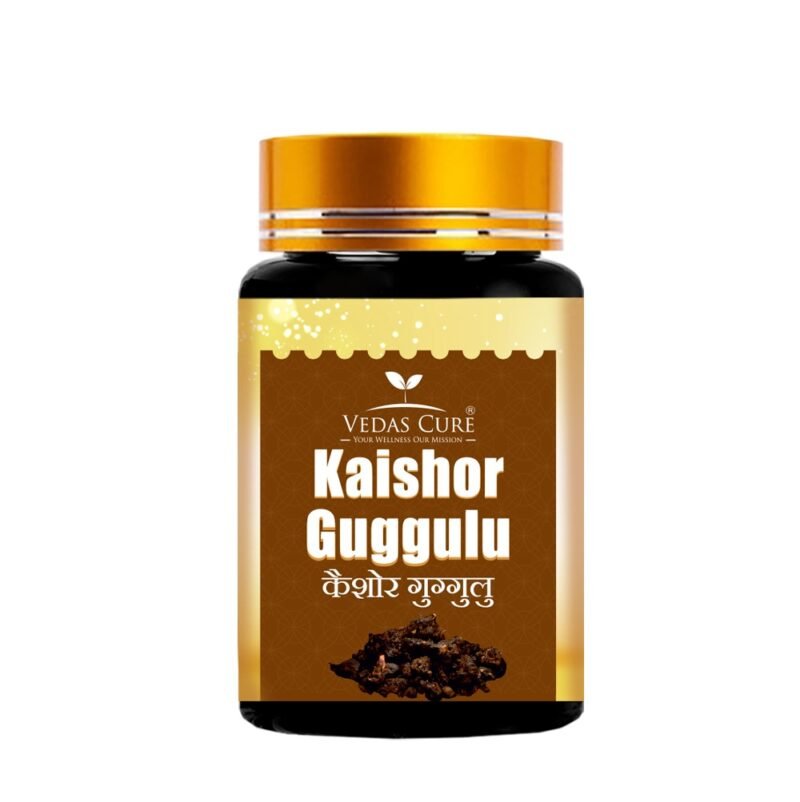
01- One of India’s Most Trusted Pigmentation Tablet
ancient wellness techniques centered on preserving internal balance and general harmony have long been linked to the ancient Ayurvedic concoction Kaishore Guggulu. According to Ayurveda, issues like pigmentation, uneven tone, or dullness are frequently connected to more serious systemic imbalances because the skin is seen as a reflection of the body’s interior health. In talks that highlight internal homeostasis as a crucial component in promoting natural skin consistency, Kaishore Guggulu is regularly cited within this context.
The interconnectedness of the body’s systems is emphasized by the Ayurvedic approach, which implies that disruptions in internal functions may have an impact on outward appearance. Many often, pigmentation is seen as an external sign of these imbalances rather than a problem in and of itself. Since Kaishore Guggulu has historically been linked to promoting these interior dynamics, it is pertinent to holistic viewpoints that emphasize balancing internal well-being with external clarity.
Helps To:-
✔ Blood Purification: Helps cleanse impurities from the blood, which are a major cause of skin discoloration
✔ Reduces Excess Pitta: Balances heat in the body, preventing melanin overproduction
✔ Anti-inflammatory Action: Helps calm skin inflammation that leads to marks and spots
✔ Supports Detox: Eliminates toxins from the liver and bloodstream
✔ Improves Skin Clarity: Promotes a clearer, more even complexion over time
How to Use Kaishore Guggulu:-
Dosage: Typically 1–2 tablets, twice daily after meals (or as directed by an Ayurvedic doctor)
Duration: Results are gradual; consistent use for 6–12 weeks is often recommended
Best Combination: Works best when combined with a topical Ayurvedic cream or oil for pigmentation
02-Advanced Pigmentation Care Tablet in India
Arogyavardhini Vati is one of the most effective Ayurvedic tablets for pigmentation caused by poor liver function. Ayurveda considers the liver central to skin health, and any imbalance can lead to dullness and pigmentation.
Kutki, Neem, Triphala, and Shuddha Parada are ingredients in this composition that aid in blood purification and liver detoxification. Neem helps lessen skin imperfections by acting as a natural antibacterial and anti-inflammatory herb.
Those with oily skin, acne, and pigmentation brought on by internal heat and toxins respond best to it. It gradually enhances metabolism and digestion, which has a direct impact on skin radiance.
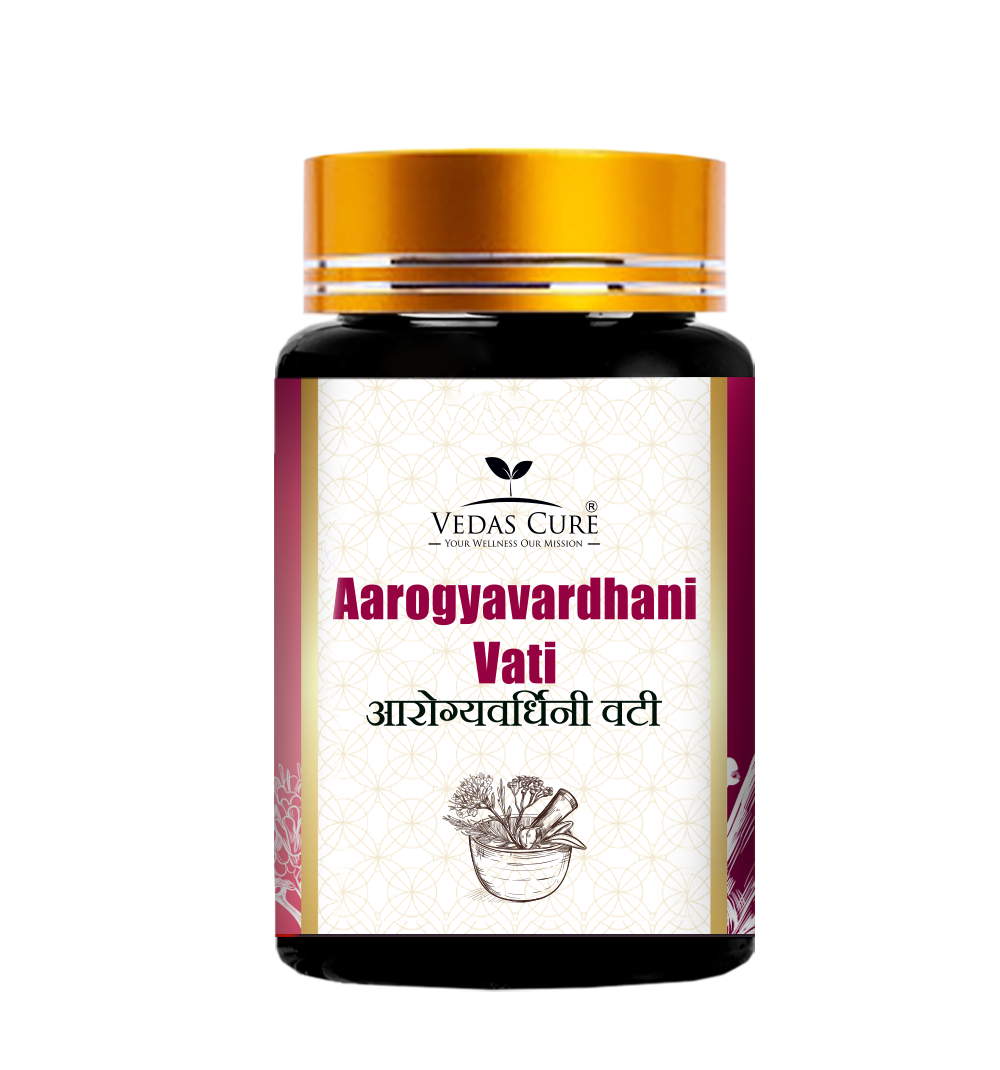
Arogyavardhini Vati is a traditional Ayurvedic composition that has been used extensively in traditional wellness practices to enhance natural skin balance and sustain general health. According to Ayurveda, any imbalance within the body might manifest externally as dullness, uneven tone, or pigmentation because the skin is intimately linked to internal systems. In situations when skin appearance is influenced by interior harmony, Arogyavardhini Vati is frequently taken into consideration.
Traditionally, this mixture has been linked to balancing the doshas, especially Pitta, and assisting the body’s natural detoxification processes. Pitta is associated with heat and metabolism in Ayurvedic philosophy, and skin-related issues like discolouration or uneven complexion are frequently linked to its imbalance. Classical literature frequently mention Arogyavardhini Vati because of its function in preserving this interior balance.
This Ayurvedic concoction has become more well-known in health regimens that emphasize holistic skin care throughout time. It is seen as a component of an internal strategy that adheres to the Ayurvedic idea of treating the body as a whole, as opposed to merely addressing outward appearance. This makes it pertinent when talking about natural brightness and long-term skin health.
Arogyavardhini Vati is also well-known for its connection to conventional Ayurvedic cleansing ideas. These ideas center on preserving internal hygiene and metabolic equilibrium, which are thought to affect outward characteristics like skin clarity. Because of this, it is frequently
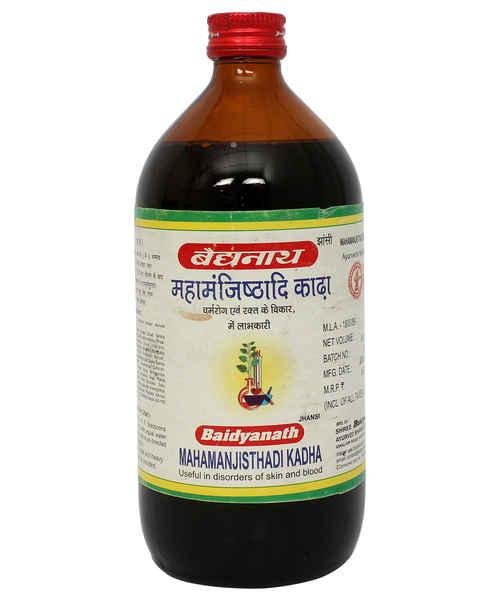
03-Mahamanjisthadi Kada
Mahamanjisthadi Kadha is a classical Ayurvedic formulation that holds a significant place in traditional wellness practices, especially in discussions related to skin clarity and balance. In Ayurveda, the skin is seen as a reflection of internal harmony, and variations in complexion such as pigmentation are often associated with deeper systemic imbalances. This formulation is traditionally referenced in contexts where maintaining internal equilibrium is considered important for supporting a clearer and more even-looking skin tone.
Within Ayurvedic philosophy, skin appearance is closely linked with the quality of blood and the balance of doshas, particularly Pitta. When this balance is disturbed, it may manifest externally as uneven tone or discoloration. Mahamanjisthadi Kadha is commonly mentioned in classical Ayurvedic literature for its association with supporting these internal aspects of wellness. Its traditional relevance makes it a recognized name in holistic approaches that emphasize internal care as a foundation for external appearance.
This formulation is frequently discussed in relation to more comprehensive Ayurvedic practices that emphasize natural balance over isolated issues. The method embodies the notion that skin-related alterations, such as pigmentation, are seen as a component of the body’s overall condition rather than as separate entities. According to this viewpoint, establishing systemic harmony is crucial for maintaining skin tone constancy and natural brightness.
The traditional Ayurvedic ideas of balance and purification are also connected to Mahamanjisthadi Kwath Tablet. These ideas center on preserving internal clarity and assisting the body’s natural functions, which are thought to have an impact on the skin’s appearance and texture over time. Because of this, it frequently appears in wellness narratives that stress holistic treatment and long-term consistency.
This formulation is still mentioned in contemporary conversations on Ayurvedic-inspired skincare because of its classical origins and association with conventional wellness ideologies. The Ayurvedic idea that healthy-looking skin starts from within is shown by the fact that it is often addressed in conjunction to regimens that seek to harmonize internal balance with exterior appearance.
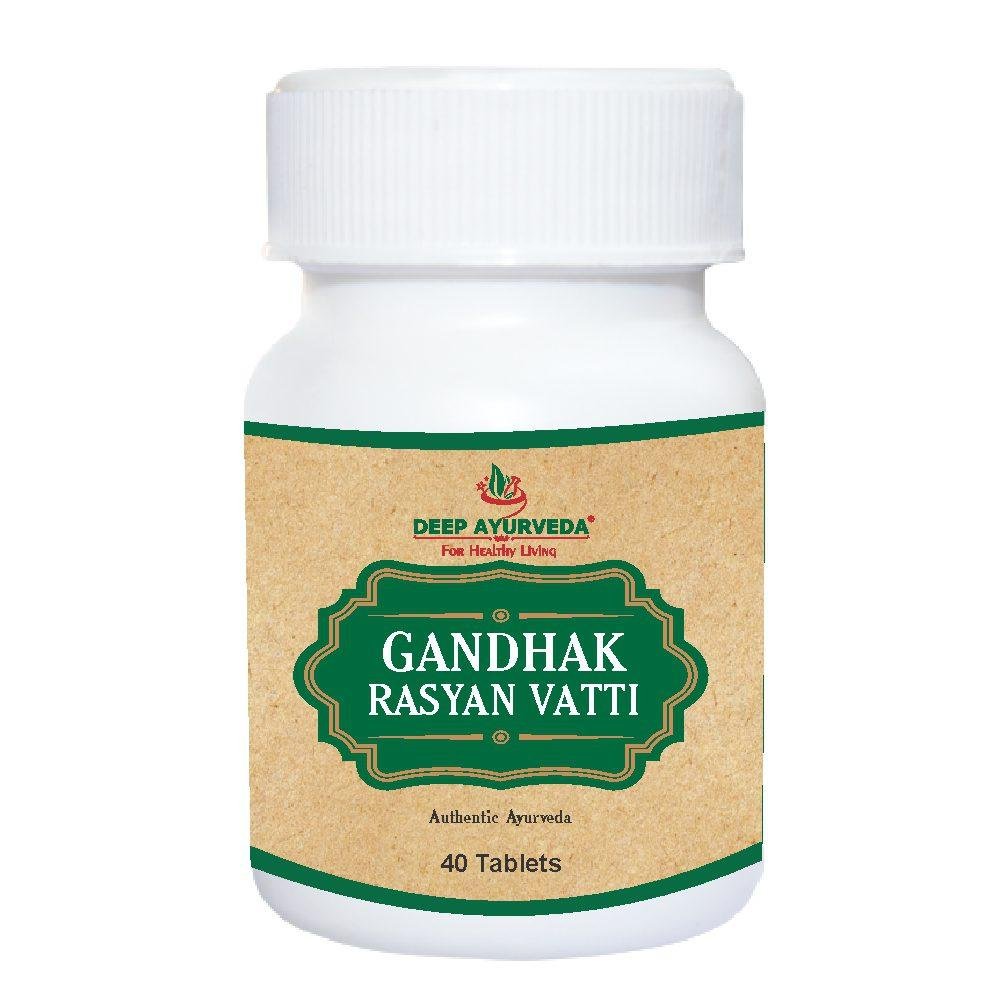
04-Gandhak Rasayan
Gandhak Rasayan is a traditional Ayurvedic composition that has long been linked to general body balance and skin-related wellness. According to Ayurveda, skin health is closely related to internal balance and goes beyond outward appearance. Rather than being separate surface issues, issues like pigmentation, uneven tone, or dullness are frequently seen as indications of deeper systemic imbalances. Gandhak Rasayan is often brought up in conversations about preserving the natural balance of skin within this traditional perspective.
Because of its connection to the idea of Rasayana, which denotes renewal and the maintenance of vitality, the formulation has a special position in Ayurvedic literature. This viewpoint, which is consistent with the larger Ayurvedic theory that long-term wellbeing leads to noticeable changes in the body, including the skin, places an emphasis on internal support and long-term balance. Gandhak Rasayan is often included in such contexts where internal equilibrium is considered essential for maintaining a clear and even-looking complexion.
According to the Ayurvedic perspective, pigmentation is frequently associated with internal process disruptions and the build-up of imbalances that show up on the outside. Gandhak Rasayan is relevant in holistic methods to skin care since it is traditionally associated with promoting the body’s natural state of balance. It is usually described as part of an all-encompassing framework that incorporates both exterior appearance and internal well-being, rather than concentrating on discrete issues.
Traditional Ayurvedic concepts of systemic clarity and cleansing are also connected to this formulation. These theories center on preserving equilibrium in the body’s interior environment, which is thought to have an impact on the skin’s appearance over time. Because of its lengthy history in Ayurvedic methods that prioritize internal harmony and constancy, Gandhak Rasayan is frequently brought up in these debates.
Gandhak Rasayan has continued to be a well-known figure in discussions about wellness that are influenced by Ayurveda. Its cultural significance and ties to traditional methods that emphasize continuity and balance are reflected in its historical existence. It is still addressed in contemporary situations in regard to traditional skin care concepts that emphasize internal processes as the basis for preserving a complexion that is naturally even and healthy-looking.
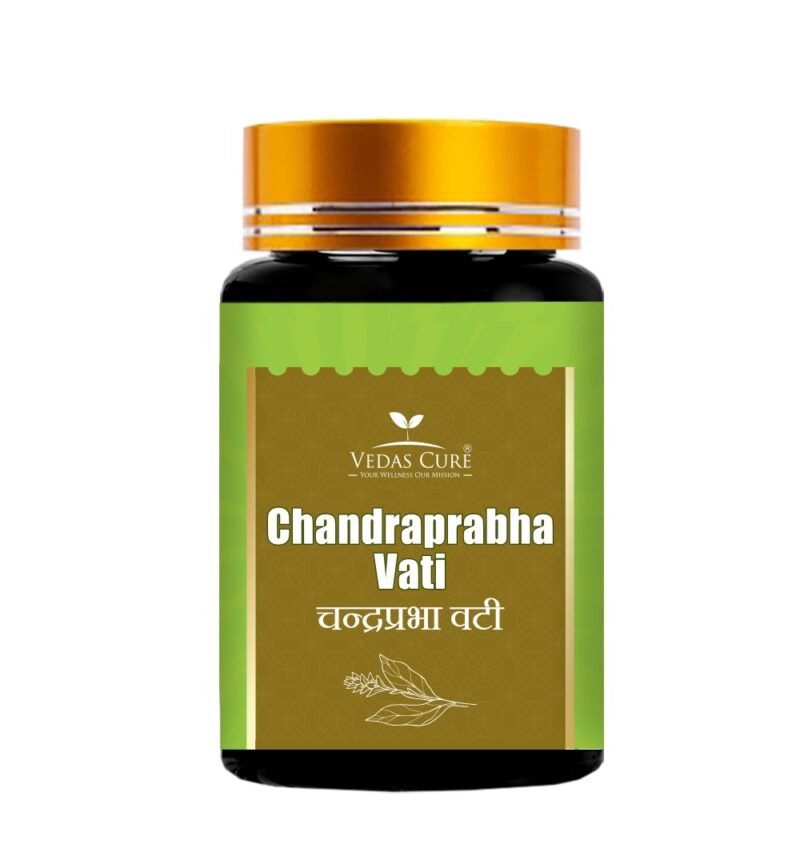
05-Chandraprabha Vati
Because Chandraprabha Vati is associated with preserving internal equilibrium and general well-being, it is a traditional Ayurvedic formulation that is frequently mentioned in traditional wellness systems. According to Ayurveda, differences like pigmentation are frequently associated with internal imbalances rather than just surface-level causes since the skin’s appearance is frequently seen as a reflection of deeper physiological harmony. According to this viewpoint, Chandraprabha Vati is frequently discussed in connection with holistic methods that highlight the body’s homeostasis.
According to the Ayurvedic framework, which emphasizes the interdependence of body systems, abnormalities in internal processes may have an impact on the appearance of the skin. It’s common to see pigmentation, uneven tone, or dullness as outward manifestations of these abnormalities. Traditionally, Chandraprabha Vati has been linked to promoting systemic equilibrium, which is thought to be crucial for long-term maintenance of a naturally balanced and healthy-looking complexion.
According to traditional Ayurvedic theory, total health is greatly influenced by the doshas’ equilibrium. When this equilibrium is upset, the skin may become discolored or have an uneven tone. In this more general framework of preserving harmony, Chandraprabha Vati is frequently addressed, which is consistent with the Ayurvedic view that internal stability leads to external clarity. Its lengthy history in Ayurvedic traditions and its connection to preserving homeostasis make it relevant in these kinds of conversations.
Additionally, the formulation is linked to traditional Ayurvedic ideas that stress systemic stability and internal clarity. These ideas center on maintaining a steady internal environment, which is thought to support the body’s normal functions. This concept views skin-related issues as a component of a broader pattern of internal dynamics rather than as isolated issues. As a result, stories that emphasize the significance of all-encompassing wellness strategies often involve Chandraprabha Vati.
Chandraprabha Vati has been acknowledged in Ayurvedic literature and contemporary wellness discourse over time. Its continued importance is partly due to its classical roots, especially in methods that combine old knowledge with modern viewpoints on holistic care. It is frequently seen as a component of a larger lifestyle philosophy that emphasizes regularity, balance, and conformity to natural principles.
06-Patanjali Divya Kayakalp Vati
In conventional wellness and skincare conversations, Patanjali Divya Kayakalp Vati, an Ayurvedic proprietary product, has become well-known. It has its roots in Ayurvedic philosophy and is frequently linked to preserving internal equilibrium and assisting the body’s natural functions that affect the appearance of the skin. According to Ayurveda, the skin is seen as a reflection of interior harmony rather than an isolated organ, and disorders like pigmentation are frequently connected to more serious systemic imbalances.
In this conventional paradigm, Kayakalp Vati is often mentioned in situations where preserving bodily balance is thought to be crucial for encouraging a uniform and naturally even-looking complexion. According to the Ayurvedic viewpoint, systemic abnormalities, internal heat, and metabolic imbalances can all affect how the skin looks over time. Formulations like Kayakalp Vati are therefore frequently mentioned as a component of more comprehensive wellness strategies that concentrate on balancing internal and external facets of health.
The Ayurvedic concept of transformation and rejuvenation is reflected in the name “Kayakalp,” which represents a process linked to preserving life and equilibrium. According to conventional wisdom, maintaining general wellbeing is directly related to maintaining skin tone and clarity. Because of its connection to ancient Ayurvedic principles and its function in holistic wellness practices, Kayakalp Vati is frequently featured in such narratives.
In relation to pigmentation, Ayurvedic thought often highlights the importance of internal balance rather than focusing solely on external factors. It is common to interpret uneven skin tone or discolouration as an external manifestation of interior discord. Kayakalp Vati is therefore often mentioned in discussions that emphasize a comprehensive approach, where maintaining systemic equilibrium is considered a key element in supporting natural skin consistency.
07-Neem Tablet – About (For Pigmentation)
In Ayurvedic wellness traditions, neem tablets are well known for their connection to skin care and natural balance. Variations like pigmentation, uneven tone, or dullness are frequently associated with deeper systemic imbalances in Ayurveda, which views the skin as a mirror of interior health. Neem tablets are often brought up in conversations that highlight internal harmony as a crucial component in preserving a uniform and clear-looking complexion within this conventional viewpoint.
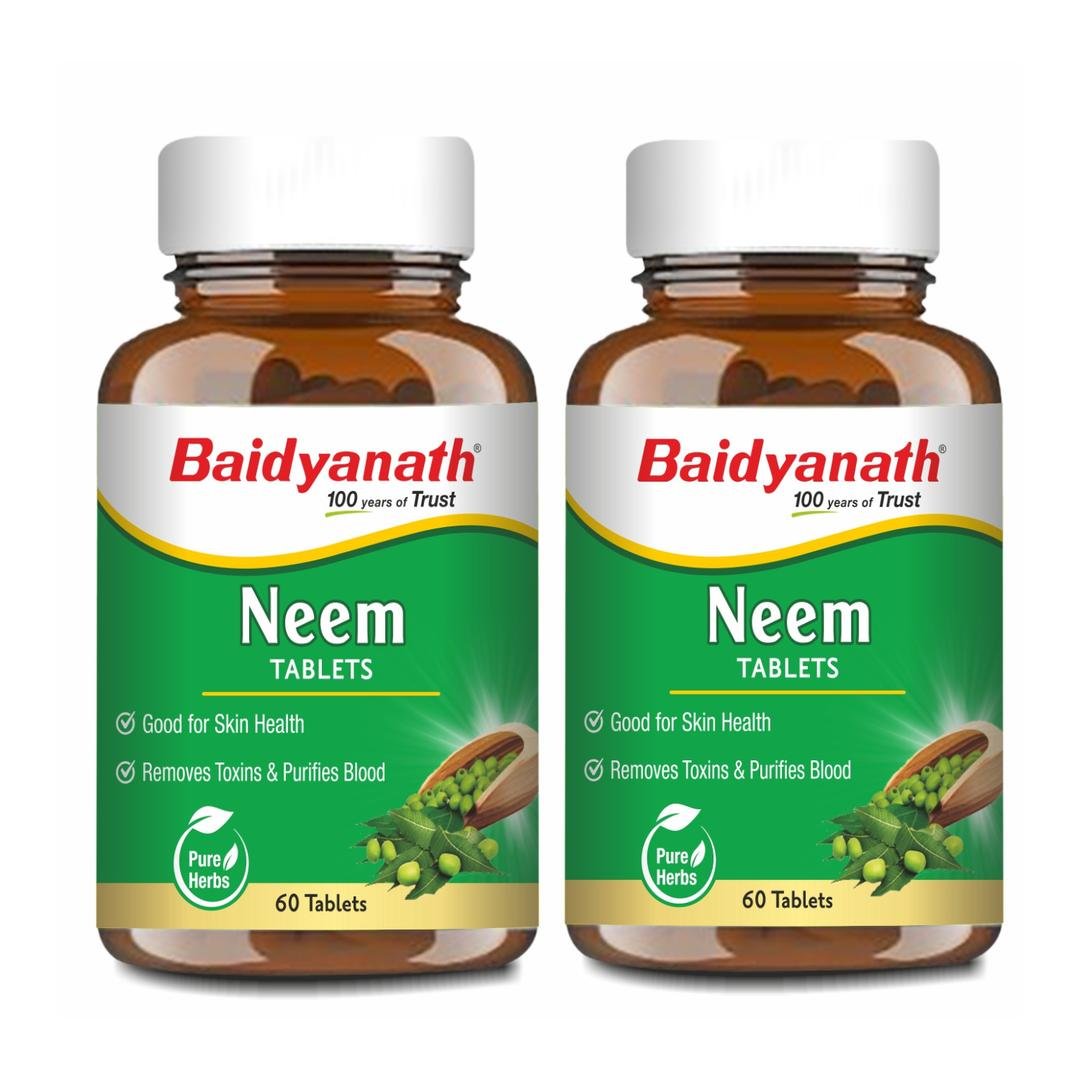
The balance of doshas, especially Pitta, which is frequently linked to heat and metabolic activity in the body, is highly valued in Ayurvedic philosophy. Changes in skin tone or texture may be an outward sign of this imbalance. Since neem tablets are traditionally linked to promoting internal equilibrium and preserving a stable environment within the body, they are frequently mentioned in this context. They are a well-known component of holistic methods to skin wellness because of this link.
Neem has a rich cultural and historical history in Ayurveda, where it is frequently used as a symbol of natural balance and purity. Neem tablets have evolved into a practical way to
incorporate this age-old idea into contemporary wellness practices. They are often brought up in conversations on preserving the general clarity and uniformity of the skin’s look, especially in frameworks that emphasize internal care over external-only remedies.
Neem has a rich cultural and historical history in Ayurveda, where it is frequently used as a symbol of natural balance and purity. Neem tablets have evolved into a practical way to incorporate this age-old idea into contemporary wellness practices. They are often brought up in conversations on preserving the general clarity and uniformity of the skin’s look, especially in frameworks that emphasize internal care over external-only remedies.
Ayurvedic philosophy typically concentrates on comprehending the underlying reasons of pigmentation rather than treating outward changes separately. Neem tablets are frequently cited in regard to preserving this internal balance because uneven skin tone is frequently perceived as a reflection of interior conflict. Their significance in these conversations emphasizes the Ayurvedic view that alignment inside the body is the key to long-term skin wellness.
08-Manjishtha Skin Wellness
In Ayurvedic traditions, manjistha is highly revered and frequently linked to natural balance and skin health. According to Ayurveda, the state of the skin is seen as a representation of the harmony within. Deeper imbalances in the body are frequently connected to issues like pigmentation, uneven tone, or dullness. In this context, Manjistha is often mentioned in conversations about keeping a uniform, naturally clear complexion.
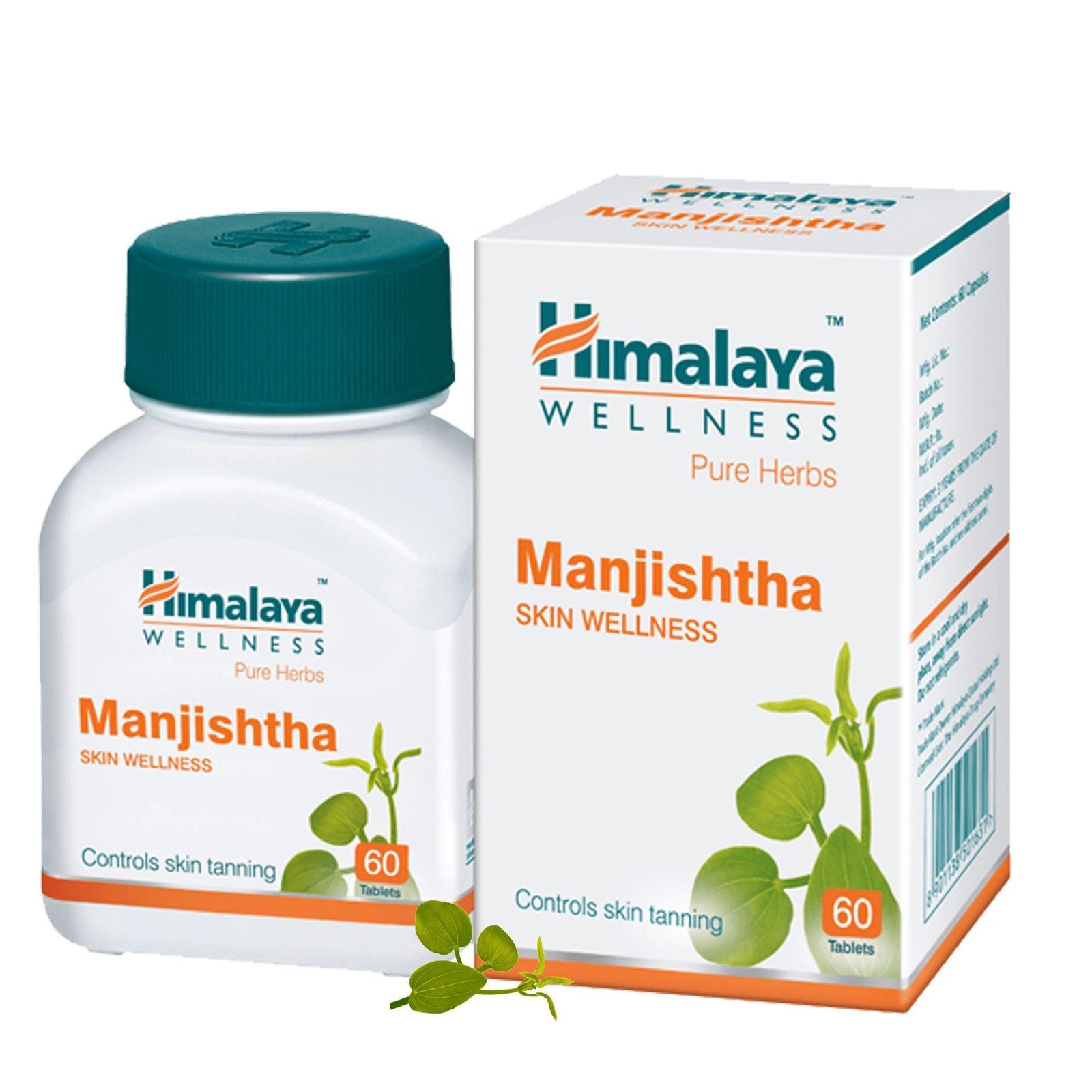
The Ayurvedic perspective on skin health highlights how crucial it is for the body’s internal systems to be in balance. Skin tone variations are frequently seen as external manifestations of internal discord, especially when it comes to elements related to heat and metabolic activity. Manjistha is a well-known component of holistic systems that concentrate on coordinating internal processes with exterior appearance since it has historically been associated with maintaining this internal harmony.
When it comes to pigmentation, Ayurvedic philosophy frequently focuses on the underlying patterns within the body rather than just surface-level alterations. Rather than being a stand-alone problem, uneven skin tone is frequently seen as an indication of an underlying imbalance. Because it is linked to preserving systemic equilibrium, which is seen as a crucial component of attaining a healthy and even-looking complexion, manjistha is often addressed in this viewpoint.
Maintaining internal stability and clarity over time is another aspect of Ayurvedic skin wellness. This strategy prioritizes long-term equilibrium and consistency over short-term fixes. Manjistha is frequently brought up in these conversations because it is a conventional method that is consistent with these ideas. Its significance persists in contemporary wellness discussions that incorporate traditional wisdom with modern viewpoints on holistic care.
Manjistha is also linked to more general Ayurvedic concepts that highlight the skin’s connection to the body. This perspective holds that preserving harmony within the body can affect how the skin feels and looks, and that external appearance is directly related to internal problems. Manjistha is still acknowledged in conversations about natural skin balance and wellness because of this comprehensive understanding.
09-Triphala Guggulu
In traditional health systems, Triphala Guggulu, a traditional Ayurvedic composition, is well known for its connection to preserving internal equilibrium and promoting general harmony inside the body. According to Ayurveda, issues like pigmentation, uneven tone, or dullness are frequently associated with deeper systemic imbalances rather than only external variables because the skin is seen as a reflection of internal health. According to this viewpoint, holistic methods that stress internal balance as the basis for skin health are often linked to Triphala Guggulu.
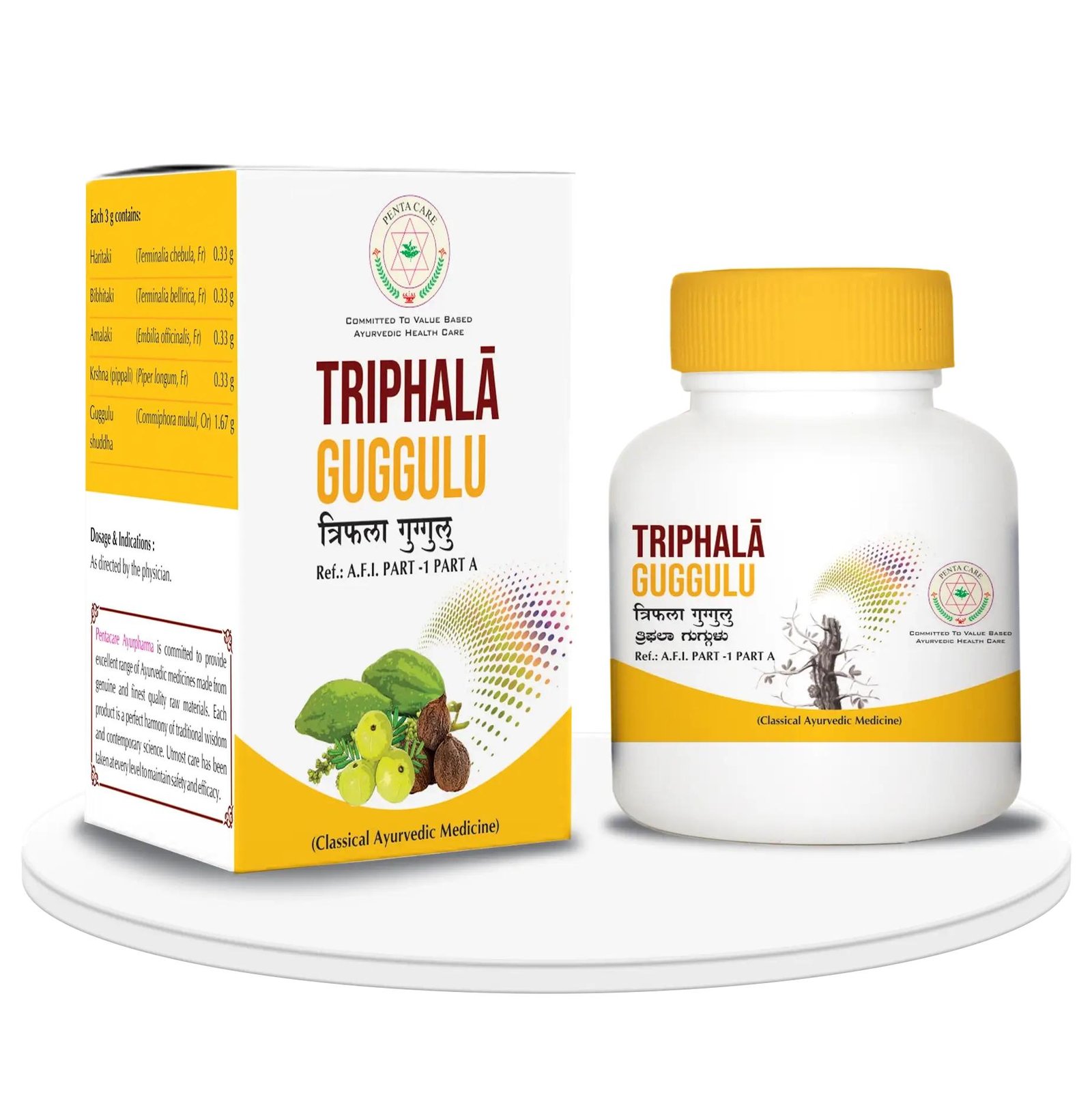
The Ayurvedic framework emphasizes how all of the body’s systems are interconnected and how changes in internal functions can affect the appearance of the skin. Many times, pigmentation is seen as an external representation of these interior disorders, especially those pertaining to systemic harmony and metabolic balance. Triphala Guggulu is a pertinent formulation in conversations about maintaining a regular and naturally even-looking complexion because it is traditionally linked to strengthening these interior features.
The idea of dosha balance is crucial to general health in traditional Ayurvedic philosophy. Changes in skin tone or texture could be an outward manifestation of this imbalance. Because Triphala Guggulu is linked to preserving internal equilibrium and assisting the body’s natural functions, it is frequently referenced in this wider context. Its persistent presence in wellness techniques that emphasize balance inside the body is partly due to its agreement with Ayurvedic ideas.
Additionally, the formulation is linked to traditional Ayurvedic ideas that stress systemic stability and internal clarity. These theories center on preserving a steady interior environment, which is thought to have an impact on the skin’s appearance over time. According to this approach, skin issues like pigmentation are viewed as a component of a broader pattern of internal dynamics rather than being addressed separately. As a result, Triphala Guggulu is frequently mentioned as a component of all-encompassing strategies that combine external attractiveness and internal well-being.
Triphala Guggulu has remained relevant over time in both contemporary Ayurvedic debates and traditional sources. Its long-standing use is a reflection of its cultural significance and its connection to conventional methods that emphasize patience, consistency, and all-encompassing care. It is commonly mentioned in discussions about Ayurvedic-inspired skincare regimens that highlight internal harmony as a crucial component of preserving natural brightness in modern settings.
010-Sarivadyasava Tablet
An Ayurvedic compound known as Sarivadyasava Tablet has long been linked to preserving internal equilibrium and promoting general skin health. According to Ayurveda, the skin is a reflection of the body’s internal condition rather than a distinct entity. Variations such as pigmentation, uneven tone, or dullness are often linked with underlying imbalances within the body. Sarivadyasava Tablet is often mentioned in conversations on preserving harmony and consistency in skin look within this holistic framework.

The Ayurvedic viewpoint highlights the importance of internal balance in the long-term appearance and feel of the skin. Changes in complexion are thought to be an external manifestation of disturbances in this balance. Because Sarivadyasava Tablet is associated with traditional wellness practices that emphasize harmonizing internal processes with exterior appearance, it is frequently cited in this context. Because of this relationship, it is a well-known component of skin care methods influenced by Ayurveda.
According to traditional Ayurvedic theory, dosha equilibrium is essential to general health. A disturbance of this equilibrium may have an impact on the skin as well as other elements of health. Sarivadyasava Tablet is often mentioned in conversations that focus on reestablishing internal harmony because pigmentation is often seen as an external sign of such imbalance. Its function in these stories reflects the more general Ayurvedic view that a naturally even-looking complexion is a result of the body’s homeostasis.
Additionally, Sarivadyasava Tablet is linked to traditional Ayurvedic ideas on systemic stability and internal clarity. These ideas center on preserving a harmonious internal environment, which is thought to affect outward characteristics like skin tone. According to this approach, skin issues are treated as a component of the body’s total health rather than separately. As a result, Sarivadyasava Tablet is frequently mentioned in all-encompassing health viewpoints that combine exterior appearance with inside care.
✅ Conclusion
Ayurveda offers a holistic and long-term approach to treating pigmentation by addressing the root cause rather than just the surface symptoms. These top 10 Ayurvedic medicines work by detoxifying the body, balancing hormones, improving blood purification, and enhancing skin health naturally.
With consistent use, along with a proper diet, hydration, and a healthy lifestyle, you can gradually reduce dark spots, melasma, and uneven skin tone. Herbs like Manjistha, Neem, and formulations enriched with natural ingredients help restore your skin’s natural glow without harmful side effects. However, results may vary from person to person, and patience is key when following Ayurvedic treatments. For best results, it’s always advisable to consult a qualified Ayurvedic practitioner before starting any medication.